Real estate taxes in Dubai, UAE
2026-06-18
7,139 Views
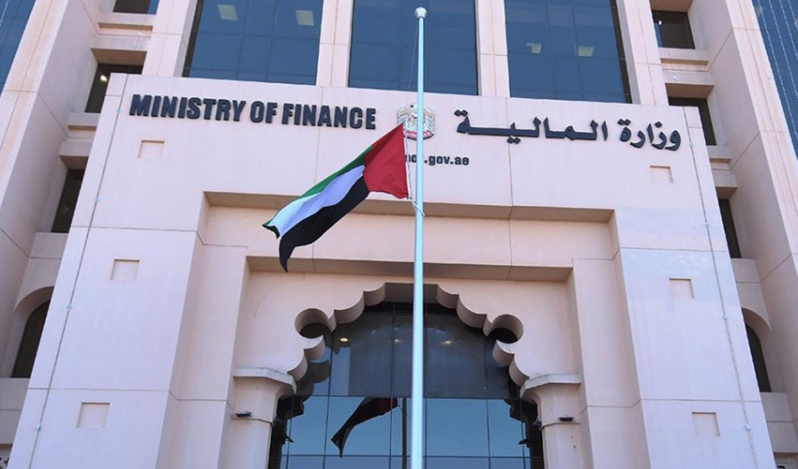


Are taxes imposed on real estate in the UAE?
It is well known to observers the significant economic changes taking place in the United Arab Emirates to stimulate foreign investment in the promising UAE markets.
One of the most prominent measures encouraging the flow of investments to the United Arab Emirates is the change in the tax system, as for the first time a 9% tax was imposed on companies whose annual net profits exceed 375,000 AED, starting from June 2023.
How many living rooms are in the apartment?

According to a statement published by the UAE Ministry of Finance, the implemented corporate tax system will be among the most internationally competitive, as corporate tax will not be imposed on personal income earned from employment, or any other personal income earned through real estate investment activities or other investments.
According to one of the tax advisors: as long as real estate transactions are personal, such as buying and selling only one property, they are not subject to tax. However, transactions classified as carrying out real estate activity will be subject to tax.
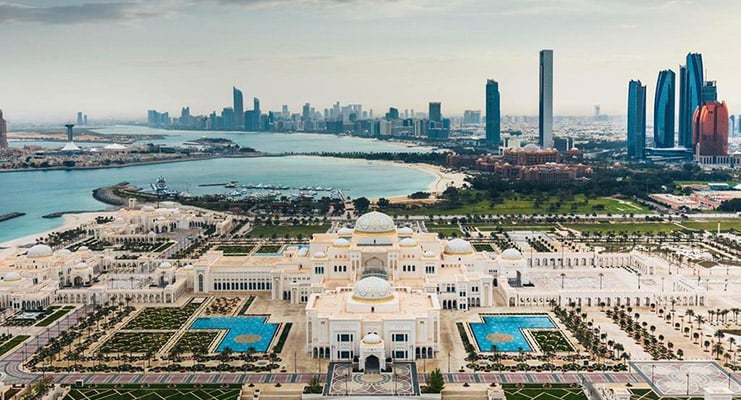

What are the property transfer fees in Dubai, UAE?
Regarding the cost of property transfer fees in Dubai, UAE; there are specific fees that vary depending on the status of each property, which we clarify for you below, according to the official website of the Dubai Land Department, as follows:
- Fee for issuing a title deed for each ownership: 250 AED.
- Land map fee for lands not subject to Dubai Municipality authority: 100 AED.
- Land map fee (unified map fee with Dubai Municipality): 325 AED.
- Apartment map fee: 250 AED.
- Villa map fee: 250 AED.

It should also be noted that additional amounts known as knowledge fees of 10 AED, as well as innovation fees of 10 AED, are added.
Taxes and fees for buying property in Dubai
Regarding property taxes in Dubai and in addition to the property transfer fees in Dubai, which we mentioned in the previous paragraph, when an investor wishing to buy a property in Dubai goes to one of the real estate registration centers in the emirate, whether in person or electronically via the internet, they must pay fees related to registering the property ownership. Below are the fees required to complete the property purchase process:
Get a free real estate consultation
What is your preferred way of communication? How would you like to be contacted?

Get a free real estate consultation
Choose the appropriate day for us to contact you
- The seller must pay 2% of the property value.
- The buyer must pay 2% of the property value.
- Fees must also be paid to the registration trustee.
- If the property sale value is equal to or more than 500,000 AED, an amount of 4,000 AED must be paid.
- If the property sale value is less than 500,000 AED, only 2,000 AED must be paid.
Why is the tax system in the UAE considered among the best globally?
Start a chat
Talk to us on your favorite channel







After years of extensive and careful studies, and legislative and technical preparations, the United Arab Emirates has established the foundations of a comprehensive and balanced tax system. According to officials and financial experts, the value-added tax, for example, in the UAE is classified as among the lowest globally, and its impact on individuals is considered minimal, as it mainly depends on their spending patterns and rates. Experts believe that the tax systems implemented in the country, including the real estate tax in the UAE, are characterized by clarity and transparency.
According to the Minister of State for Financial Affairs, the UAE government has established solid foundations for an integrated tax system that forms a cornerstone for building a knowledge-based and sustainable economy for future generations. He pointed out that the tax system in the UAE, whose legislation and implementation principles have been completed, is considered one of the best tax systems in the world, as it was designed after reviewing many tax systems worldwide.
The minister added: The tax system in the UAE provides an opportunity to benefit from advanced services in the health and education sectors, which are subject to a zero rate, contributing in the long term to accelerating sustainable development in the country and increasing individual welfare and social stability.
Are you ready to invest? Which apartment type do you prefer?
 Studio
 One bedroom
 Two bedrooms
 3 bedrooms or more
Select region
The Undersecretary of the Ministry of Finance in the UAE stated: "The issue of taxes may be associated with negative impressions, most of which relate to the high cost of living and the impact on business sectors' performance. This impression may be true for traditional tax systems in other countries, but in the UAE, we have been keen to implement a distinguished tax system that takes into account the country's future directions and preserves its most important elements of attractiveness and competitiveness."
The undersecretary added: The implementation of the excise tax and then the value-added tax has demonstrated the correctness of the vision in the UAE to expand public-private sector partnerships in development and its returns, confirming that the readiness of those subject to taxes for implementation has inspired confidence and conviction in what the state has adopted in collection rates and the position of taxes within the new financial system of the state, ensuring that these taxes are neutral, fair, and have an effective impact on the state's general budget expenditures. He confirmed that there is currently no modern country in the world without taxes, but what distinguishes one country from another is the ability to turn taxes from a burden into an incentive and from an obstacle to development into a driver for it.
It should be noted that the tax system currently applied in the United Arab Emirates is fully electronic and does not include any manual procedures.
How does the tax system in Dubai enhance real estate investment?
As mentioned at the beginning of our article, as long as real estate transactions are personal, such as buying and selling only one property, they are not subject to tax. This undoubtedly encourages increased demand for real estate investment in the UAE in general and in Dubai in particular, allowing investors in the real estate sector to achieve maximum profits not subject to property taxes.
Even regarding real estate transactions classified as carrying out real estate activity and subject to the property tax system in Dubai, we should not forget the multiple exemptions on taxes in the UAE. Moreover, the tax system in Dubai, when compared to real estate taxes in other countries, is described as being lower than in many other countries. The burden of the property tax rate is higher in other countries, such as: the United Kingdom (2.53%), France (1.70%), Greece (1.50%), Iceland (1.48%), and Italy (0.71%), according to the International Tax Competitiveness Index. Therefore, the real estate tax in Dubai is another competitive factor that makes Dubai a preferred choice for international investors.
How many living rooms are in the apartment?
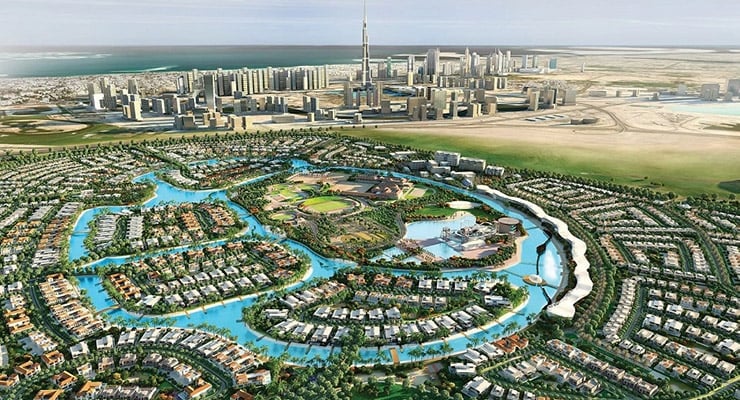
Imtilak Global represents you in all legal matters related to real estate in Dubai
Imtilak Global seeks to represent you in all legal matters related to real estate in Dubai. Through its work in the Dubai real estate market, the company is keen to serve all its clients and meet their requests to provide properties that suit their aspirations and desires. The real estate services provided by Imtilak Global also include offering the best available options at the best possible prices, in addition to legal procedures related to obtaining the title deed, residency procedures, as well as after-sales services, also known as property management services, such as leasing or resale, in addition to many other services. For more information about the real estate transaction tax in the UAE, you can contact us through our official channels.
Get a free real estate consultation
What is your preferred way of communication? How would you like to be contacted?
Get a free real estate consultation
Choose the appropriate day for us to contact you
Edited by: Imtilak Global©
Did you like our topic? You can share it with your friends!
Do you like this topic? You can share it with your friends now!


Do you like this topic? You can share it with your friends now!
Need real estate help?
Consult with our specialist

More From Imtilak