A comprehensive guide to the UAE economy and its development
2026-06-18
9,193 Views
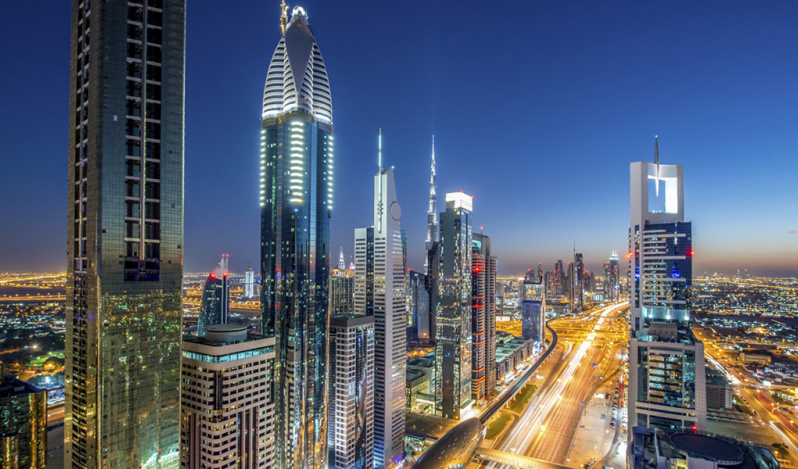


This article provides comprehensive information about the advanced economy of the UAE, the factors that led to its prosperity and development, and the main and vital sectors that contribute to the country's economy.
What are the main components of the UAE economy?
The economy of the United Arab Emirates is characterized by diversity and has many key components that contribute to its growth and success. These components include:
- Oil and Gas: The UAE possesses large reserves of oil and gas, making it a major producer and exporter of these resources. Oil and gas exports represent a significant portion of the country's GDP.
- Tourism: The UAE has developed its tourism sector to be thriving and meet expectations with a range of world-class attractions, hotels, and entertainment options, making the country a particularly popular destination for tourists.
- Trade: The UAE's strategic location at the crossroads of Asia, Europe, and Africa makes it a hub for trade and commerce. The UAE has developed modern infrastructure, including ports, airports, and logistics facilities to facilitate trade.
- Financial Services: The UAE has focused on a developed financial services sector, establishing a range of banks, investment companies, and other financial institutions. Dubai is renowned as a leading financial center in the region.
- Real Estate: The UAE has witnessed a major real estate boom, establishing many high-end residential and commercial projects that attract investors from all over the world.
- Manufacturing: The UAE has developed a range of manufacturing industries, including steel, aluminum, petrochemicals, and other products. This sector has flourished and become an important factor in the country's economy.
Real Estate Sector
How many living rooms are in the apartment?

The real estate sector in the UAE is an important pillar of the country's economy, which has experienced rapid growth and development over the past few decades. The sector is diverse and includes a wide range of residential and commercial real estate options. It is distinguished by several factors, including:
- Ideal Residential Properties: Residential properties are a major part of the real estate sector in the UAE, offering a variety of options, from apartments and villas to standalone houses, with all the social and recreational services and features that make them ideal for living and stability. Dubai and Abu Dhabi are the main residential real estate markets in the country.
- Commercial Real Estate: The commercial real estate market in the UAE is also thriving, offering a range of office spaces, retail outlets, and industrial properties. Dubai is a major center for commercial real estate, with a large number of office towers and commercial centers.
- Investment Opportunities: Real estate investment is a popular option in the UAE, with projects ranging from off-plan to completed properties. The government has implemented policies to encourage foreign investment in the real estate sector, including offering long-term residence visas for investors and their families, tax reductions, and facilitating loans, among others.
- Infrastructure Development: The UAE has invested heavily in infrastructure development, including building airports, ports, roads, and public transport systems, which has supported the growth of the real estate sector and made it easier for investors and owners to access developed projects.
- Supportive Regulations: The UAE has implemented a set of regulations to ensure transparency and accountability in the real estate sector. These regulations include licensing requirements for real estate agents and brokers, mandatory property registration, standardized contracts, and more.
Oil Sector
The oil sector is an important part of the UAE's economy and a fundamental source of wealth and development in the country. The UAE has rich oil reserves, and the oil industry has strongly contributed to the country's growth since the 1960s.
The main features of the oil sector in the UAE include:

- Oil Reserves: The UAE has the seventh-largest oil reserves in the world, with more than 97 billion barrels of proven reserves, most of which are located in Abu Dhabi, the largest of the seven emirates that make up the UAE.
- Production and Exports: The UAE is a major producer and exporter of oil, with most of its production coming from Abu Dhabi, as mentioned.
- Infrastructure: The UAE has developed extensive infrastructure to support its oil industry, including pipelines, ports, and storage facilities. The country has also invested heavily in refining capacity, with many large refineries.
- Diversification: Despite the importance of the oil sector to the UAE's economy, the government is working to diversify the economy to reduce dependence on oil revenues. This includes developing other industries such as tourism, manufacturing, and financial services.
- Sustainability: The UAE has implemented several initiatives to promote sustainability in the oil industry, including reducing greenhouse gas emissions and investing in renewable energy sources.
Industrial Sector
The industrial sector in the UAE is a cornerstone of the country's economy and has witnessed significant growth and diversification over the past few decades. The sector includes a range of industries, including manufacturing, construction, and energy.
Main features of the industrial sector in the UAE include:
- Diversity: The manufacturing sector in the UAE is diverse, with a range of industries such as chemicals, plastics, metals, and textiles. Dubai and Abu Dhabi are the main manufacturing hubs in the UAE.
- Construction: The real estate sector has seen remarkable development in recent years, with major construction projects such as the Burj Khalifa, the world's tallest building, and Palm Jumeirah. The construction sector is known as a major driver of job opportunities in the country.
- Energy: The energy sector in the UAE includes oil and gas production as well as renewable energy sources. The country has invested heavily in renewable energy in recent years, aiming to generate 44% of its electricity from renewable sources by 2050.
- Transport: Transport in the UAE has rapidly flourished, with many major airports and ports, including Dubai International Airport and Jebel Ali Port. The country has also invested in high-speed rail and road infrastructure to improve transport links between cities.
- Supportive Regulations: The UAE government has enacted laws and regulations to support the growth and development of the industrial sector, including tax incentives for investors and the establishment of free zones for companies.
Tourism Sector
The tourism sector is one of the main drivers of the UAE's economy. The country has invested heavily in developing the tourism sector in recent years, becoming known as a popular tourist destination, attracting millions of visitors from around the world to luxury shopping and world-class attractions year-round.
Main features of the tourism sector in the UAE include:
- Tourist Attractions: The UAE has a range of world-class tourist attractions, including the Burj Khalifa, the tallest building in the world, Dubai Mall, one of the largest shopping centers in the world, and the Sheikh Zayed Grand Mosque in Abu Dhabi, one of the largest mosques in the world.
- Luxury Accommodation: The UAE has a range of luxury hotels and resorts, many of which are located on the beach or offer stunning city views. Dubai and Abu Dhabi are the main centers for luxury tourism in the UAE.
- Shopping and Entertainment Centers: The UAE is known as a land of luxury and entertainment, famous for luxury shopping, with many large shopping malls offering a range of designer brands and high-end fashion. Dubai Mall is the largest shopping mall in the world, attracting millions of visitors each year.
- Events and Festivals: The UAE hosts a range of sports and cultural events, art festivals, and various exhibitions throughout the year, such as the Dubai Shopping Festival, Abu Dhabi Grand Prix, and Dubai World Cup horse race.
You may be interested: Properties for sale in the UAE with sea view.
Get a free real estate consultation
What is your preferred way of communication? How would you like to be contacted?

Get a free real estate consultation
Choose the appropriate day for us to contact you
Trade Sector
The trade sector is one of the most important sectors in the UAE economy. The country's strategic location, modern infrastructure, and favorable business environment have made it a major and active center for international trade.
Main features of the trade sector in the UAE include:
- Ports: The country's ports are major hubs for international trade and serve as important gateways for goods entering and leaving the region. The UAE has many major ports, including Jebel Ali Port in Dubai, which is one of the largest ports in the world.
- Free Zones: The UAE has established many free zones across the country, offering tax exemptions for companies, 100% foreign ownership, and simplified procedures for establishing and operating businesses. These zones have helped attract foreign investment and contributed to the growth of the trade sector.
- Transport: The UAE has invested heavily in transport infrastructure, including airports, ports, and highways. The country's modern transport network facilitates the movement of goods across and beyond the region.
- Trade Partners: The UAE has established strong trade relations with countries around the world, including China, India, the United States, and others. It is a member of many regional and international trade agreements, including the GCC and the World Trade Organization.
- Logistics Services: The UAE has developed logistics services, establishing many major companies operating in the country. These companies provide a range of services, including storage, transportation, and distribution, supporting the trade sector.
Other Sectors
Start a chat
Talk to us on your favorite channel







In addition to the sectors mentioned above, there are many other sectors that contribute to the UAE's economy, including:
- Infrastructure: The country invests heavily in infrastructure projects such as roads, airports, and important service facilities. This sector has been a main driver of economic growth in recent years.
- Agriculture: Although the UAE is known for its oil and gas reserves, it also has a notable agricultural sector. The country has invested in agricultural technologies such as hydroponics, allowing crops to be grown in arid environments.
- Healthcare: The UAE has a developed healthcare sector, investing in modern hospitals, medical centers, and specialized clinics.
- The UAE is also home to many medical tourism facilities, attracting patients from around the world.
- Education: The UAE has invested heavily in the education sector, attracting students from around the world to its universities. The country has also established many international branches of universities from the United States, Europe, Australia, and others.
- Information and Communication Technology (ICT): The UAE has a developed ICT sector, investing in telecommunications infrastructure and encouraging the development of new technologies for the digital future.
You may be interested: Off-plan properties for sale in the UAE.
Main Sources of Income in the United Arab Emirates
Are you ready to invest? Which apartment type do you prefer?
 Studio
 One bedroom
 Two bedrooms
 3 bedrooms or more
Select region
The United Arab Emirates is a wealthy country with a diversified economy. Its main sources of income include:
- Oil and Gas: The UAE has large reserves of oil and gas, which have been the country's main source of income. Oil and gas exports contribute significantly to the country's GDP and government revenues.
- Tourism: The UAE has heavily invested in the tourism sector, attracting millions of visitors every year. The tourism sector significantly supports the country's GDP with vital facilities such as hotels, restaurants, and entertainment venues.
- Trade: The UAE is a major center for international trade, with the country's ports and free zones attracting companies from around the world. The trade sector contributes significantly to the country's GDP, supports various industries, and develops logistics, finance, and retail services.
- Real Estate: The UAE has invested heavily in the real estate sector, with rapid urban growth in its cities. The real estate sector significantly supports the country's GDP by diversifying and developing construction projects, facilitating financing, and enabling project management.
- Financial Services: The UAE has a developed financial services sector, with banks and financial centers serving as important regional and international institutions. The sector also supports investment, insurance, and financial management projects.
How Has the UAE Economy Developed in Recent Years?
The UAE's economy has undergone major changes in recent years according to the following key developments:
- Diversification: The UAE has shifted its focus away from its traditional reliance on oil and gas and worked to diversify its economy, investing heavily in sectors such as tourism, trade, real estate, financial services, and other contributing sectors.
- Economic Reforms: The UAE government has implemented several economic reforms to attract investment and support business growth. These have included introducing new laws and regulations to enhance projects, simplify procedures, and facilitate doing business.
- Infrastructure Development: The UAE has focused heavily on infrastructure development, with its cities witnessing significant growth in vital sectors such as transport, communications, and others, supporting economic growth and development.
- Digital Transformation: The UAE has embraced digital transformation and worked to become a leader in this field. The country has invested in technologies such as artificial intelligence, helping to drive growth in the digital economy.
- Sustainability: The UAE has made sustainability a top priority, working to reduce carbon emissions and promote development in this sector. The country has invested in renewable energy, green technologies, and sustainable infrastructure, supporting economic growth while reducing its environmental impact.
Workforce and Wages
The UAE is characterized by a diverse and prosperous economy that relies heavily on its workforce, which consists of both local and foreign workers. Important facts about the workforce and wages in the country include:
- Foreign Workers: The majority of the workforce in the UAE consists of foreign workers from countries such as India, Pakistan, and the Philippines. These workers typically occupy jobs in sales, construction, hospitality, domestic services, and other sectors.
- Local Workers: The UAE government has implemented several policies to encourage the employment of local workers, including quotas for certain industries and training programs to develop local talent. However, foreign workers still occupy most of the high-paying jobs in the country.
- Wages: Wages in the UAE vary by industry, education level, and experience. However, the UAE is known for offering high salaries in some sectors, such as oil and gas, finance, healthcare, and others.
- Labor Laws: The UAE has implemented many labor laws to protect workers' rights, including laws regulating working hours, overtime pay, workplace safety, compensation, and more.
- Emiratization Programs: The UAE government has implemented several Emiratization programs to encourage the employment of local workers in high-paying industries. These programs provide financial incentives to companies that hire local workers and support training and educational programs to develop local talent.
Unemployment
The UAE government has implemented Emiratization programs to encourage the employment of local workers in high-paying industries and has invested in sectors such as tourism, trade, and financial services to create job opportunities.
How many living rooms are in the apartment?
GDP
According to the latest available statistics from the World Bank, the GDP of the UAE reached about 400 billion UAE dirhams. This indicates an advanced economy, a large volume of exports, and the development of important sectors such as tourism, industry, and financial services, among others.
Foreign Investments
Foreign investment contributes significantly to the UAE's economy, and the government works to attract foreign investment by providing a favorable business environment with tax exemptions, free zones, and encouraging regulations.
The majority of foreign direct investment in the UAE comes from economically strong and active countries such as the United States, the United Kingdom, and Japan, focusing on sectors such as energy, tourism, and real estate. The country also has many free trade zones that offer investors a range of benefits, including 100% foreign ownership, no corporate taxes, and simplified customs procedures.
Get a free real estate consultation
What is your preferred way of communication? How would you like to be contacted?
Get a free real estate consultation
Choose the appropriate day for us to contact you
Future Prospects for the UAE Economy
The United Arab Emirates is a regional center for innovation and entrepreneurship, with many initiatives and programs aimed at supporting startups and small businesses. This focus on innovation and entrepreneurship is expected to contribute to the country's economic growth in the coming years.
The UAE government has prioritized economic diversification and investment in non-oil sectors such as tourism, technology, and renewable energy. This strategy is expected to continue, making the UAE economy more resilient and less vulnerable to global market fluctuations.
The UAE is also investing heavily in infrastructure development, such as expanding airports, ports, and railways, which is expected to boost the trade and tourism sectors and attract more foreign investment.
Additionally, the UAE has set ambitious targets to reduce carbon emissions and increase its share of renewable energy.
It can be said that the future of the UAE economy is promising for further prosperity and development, with many forecasts indicating continued growth in the coming years.
Edited by: Imtilak Global Real Estate Company©
Do you like this topic? You can share it with your friends now!


Do you like this topic? You can share it with your friends now!
Need real estate help?
Consult with our specialist